

Supreme court procedure act – Legal Guide
The supreme court procedure act is an important piece of legislation governing certain practices and procedures of the Supreme Court of Pakistan. Officially known as the Supreme Court (Practice and Procedure) Act, 2023, the legislation was enacted as Act No. XVII of 2023. It addresses important matters concerning the constitution of benches, exercise of jurisdiction, appeals, appointment of counsel, and urgent matters before the Supreme Court.
For individuals, businesses, and lawyers dealing with proceedings before Pakistan’s highest court, understanding this legislation is important. In this guide, we explain the purpose of the supreme court practice and procedure act, its major provisions, how it affects Supreme Court proceedings, and why professional legal assistance can be valuable when pursuing or defending a case before the Supreme Court.
Get More Legal Guide Whatsapp Now:
What Is the Supreme Court Procedure Act?
The term supreme court procedure act is commonly used to refer to the Supreme Court (Practice and Procedure) Act, 2023. The Act was introduced to provide a statutory framework for certain practices and procedures of the Supreme Court of Pakistan. It operates alongside the Constitution, applicable laws, and the rules governing Supreme Court proceedings.
The legislation is particularly significant because it deals with how certain matters are placed before benches and how particular proceedings are managed. Therefore, lawyers handling Supreme Court litigation need to understand not only the substantive law involved in a case but also the procedural requirements applicable to the proceedings.
Purpose of the Supreme Court Practice and Procedure Act
The was designed to regulate important procedural matters within the Supreme Court. The Act originally contained provisions dealing with the constitution of benches, original jurisdiction, constitutional interpretation, appeals, counsel of choice, urgent matters, and the relationship between the Act and other laws.
However, the legal framework has subsequently beensupreme court practice and procedure act affected by constitutional and legislative developments. The current official text reflects amendments, including changes connected with the Constitution (Twenty-Sixth Amendment) Act, 2024. Therefore, anyone relying on an older version of the legislation should verify the current statutory text before taking legal action.
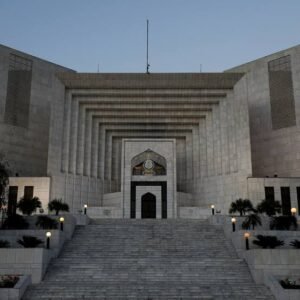
Constitution of Benches
One of the most important areas addressed by the supreme court procedure act concerns the constitution of benches.
Under the current text, matters before the Supreme Court, subject to the constitutional provisions specified in the Act, are to be heard and disposed of by a bench constituted through the committee identified in the legislation. The current provision refers to the Chief Justice of Pakistan, the most senior Judge of the Supreme Court, and the most senior Judge of the Constitutional Benches, subject to the qualifications and contingencies set out in the law.
This provision makes the composition and allocation of benches an important procedural consideration in Supreme Court litigation.
Original Jurisdiction and Constitutional Matters
The Act also contains provisions concerning the exercise of original jurisdiction by the Supreme Court and constitutional interpretation. These provisions should be read together with the Constitution of Pakistan and any subsequent amendments or applicable legislation.
Consequently, a person considering proceedings before the Supreme Court should first determine whether the Court has jurisdiction over the particular matter. A strong legal claim may still face procedural difficulties if the appropriate jurisdiction, legal remedy, or procedural route is not correctly identified.
Appeals Before the Supreme Court
Appeals are among the most significant matters handled by the Supreme Court. Depending on the nature of the case, an appeal may arise from a judgment or order of a High Court or another legally recognized forum.
The supreme court practice and procedure act contains provisions concerning appeals. Nevertheless, the right to appeal is not unlimited. Constitutional provisions, statutory requirements, limitation periods, court rules, and the nature of the underlying judgment can all affect whether and how a matter may proceed.
Therefore, parties should obtain legal advice before assuming that every High Court decision can automatically be challenged before the Supreme Court.
Right to Appoint Counsel of Choice
Legal representation is particularly important in Supreme Court proceedings because cases at this level can involve complex constitutional, civil, criminal, commercial, or public-law questions.
The Act includes a provision relating to the right to appoint counsel of choice. This reinforces the importance of proper legal representation when a matter reaches the Supreme Court.
An experienced Supreme Court lawyer can assist with preparing pleadings, identifying relevant legal questions, presenting arguments, complying with procedural requirements, and responding to objections raised during proceedings.
Urgent Matters Before the Supreme Court
Another important area covered by the supreme court procedure act is the application for fixation of urgent matters.
Urgent applications can be important where delaying a hearing could cause serious prejudice or where immediate judicial consideration is required. However, urgency should be supported by appropriate facts and legal grounds. Simply describing a matter as urgent does not necessarily guarantee immediate relief.
For this reason, legal practitioners must present the circumstances clearly and follow the applicable procedural requirements.
Why Legal Procedure Matters in Supreme Court Cases
Understanding substantive law is only one part of successful litigation. Procedure can be equally important. A case may involve a strong legal argument, but procedural errors can create significant complications.
For example, issues concerning jurisdiction, limitation, filing requirements, documentation, representation, bench constitution, and the appropriate legal remedy can affect the progress of proceedings.
Accordingly, anyone considering litigation before the Supreme Court should carefully review the applicable law and procedural requirements. Professional legal assistance can help identify potential procedural issues before they become obstacles.
Supreme Court Procedure Act and Lawyers in Karachi
For clients in Karachi, finding lawyers with experience in higher-court litigation can be an important step when a matter may ultimately reach the Supreme Court.
A legal professional can assess the case history, review the relevant High Court judgment or order, identify possible grounds of appeal, and explain whether a Supreme Court remedy may be available.
Clients should also understand that Supreme Court litigation is different from ordinary district-court proceedings. It requires careful legal research, properly prepared documents, and an understanding of the constitutional and procedural framework governing the Court.
Frequently Asked Questions About supreme court procedure act
What is the supreme court procedure act?
The phrase supreme court procedure act generally refers to the Supreme Court (Practice and Procedure) Act, 2023, which provides statutory provisions concerning certain practices and procedures of the Supreme Court of Pakistan.
What is the official name of the Act?
Its official name is the Supreme Court (Practice and Procedure) Act, 2023, also identified as Act No. XVII of 2023.
What does the supreme court practice and procedure act cover?
The legislation covers several procedural areas, including constitution of benches, original jurisdiction, constitutional interpretation, appeals, counsel of choice, and applications for fixation of urgent matters.
Can every High Court judgment be appealed to the Supreme Court?
No. The availability of a Supreme Court appeal depends on the Constitution, applicable law, the nature of the judgment or order, jurisdiction, and other procedural requirements. A lawyer should assess the case before filing proceedings.
Can a person choose their Supreme Court lawyer?
The Act contains a provision concerning the right to appoint counsel of choice. However, representation must also comply with applicable professional and procedural requirements.
Does the Supreme Court procedure act apply to urgent matters?
Yes. The Act contains a specific provision concerning applications for fixation of urgent matters.
Has the Supreme Court Practice and Procedure Act been amended?
Yes. The legislation has undergone amendments, including changes connected with constitutional developments in 2024, and the official text should be checked for the current position.
Conclusion
The supreme court procedure act is an important part of Pakistan’s legal framework concerning the practice and procedure of the Supreme Court. Its provisions address significant procedural matters, including bench constitution, appeals, counsel of choice, and urgent applications.
Because Supreme Court litigation can involve complicated constitutional and procedural questions, parties should avoid relying solely on general information when making legal decisions. Instead, the facts of the case, applicable legislation, constitutional provisions, and current Supreme Court requirements should be carefully examined.
For individuals seeking professional legal assistance, experienced lawyers in Karachi can provide guidance on Supreme Court-related matters, appeals, constitutional issues, and other complex legal proceedings.